
Portugal
Portugal has spent the past decade as Europe's most-recommended secret and is now, audibly, no longer secret — Lisbon's tourist numbers have grown nearly fivefold since 2010, the Alfama is operating at Venice density on cruise days, and the Algarve has the same pressure on its coast every European Mediterranean carries by July. The country that returning travellers plan around now is the one that operates above and below that tourism line: north of Porto, east of Évora, and the two Atlantic archipelagos that most itineraries still skip.
The Douro Valley is the country's most considered region for serious quiet — the river curling east toward the Spanish border, the schist-walled vineyards holding port grapes that were planted before phylloxera, properties like Six Senses Douro Valley and Quinta de la Rosa run by families who can name the terraces by century. Beyond Porto and the Douro, the Minho remains under-walked: Soajo, Lindoso, the granite stilt-granaries (espigueiros) above the Lima river valley, and serra-grade hospitality at Casa de São Lourenço in the Estrela mountains.
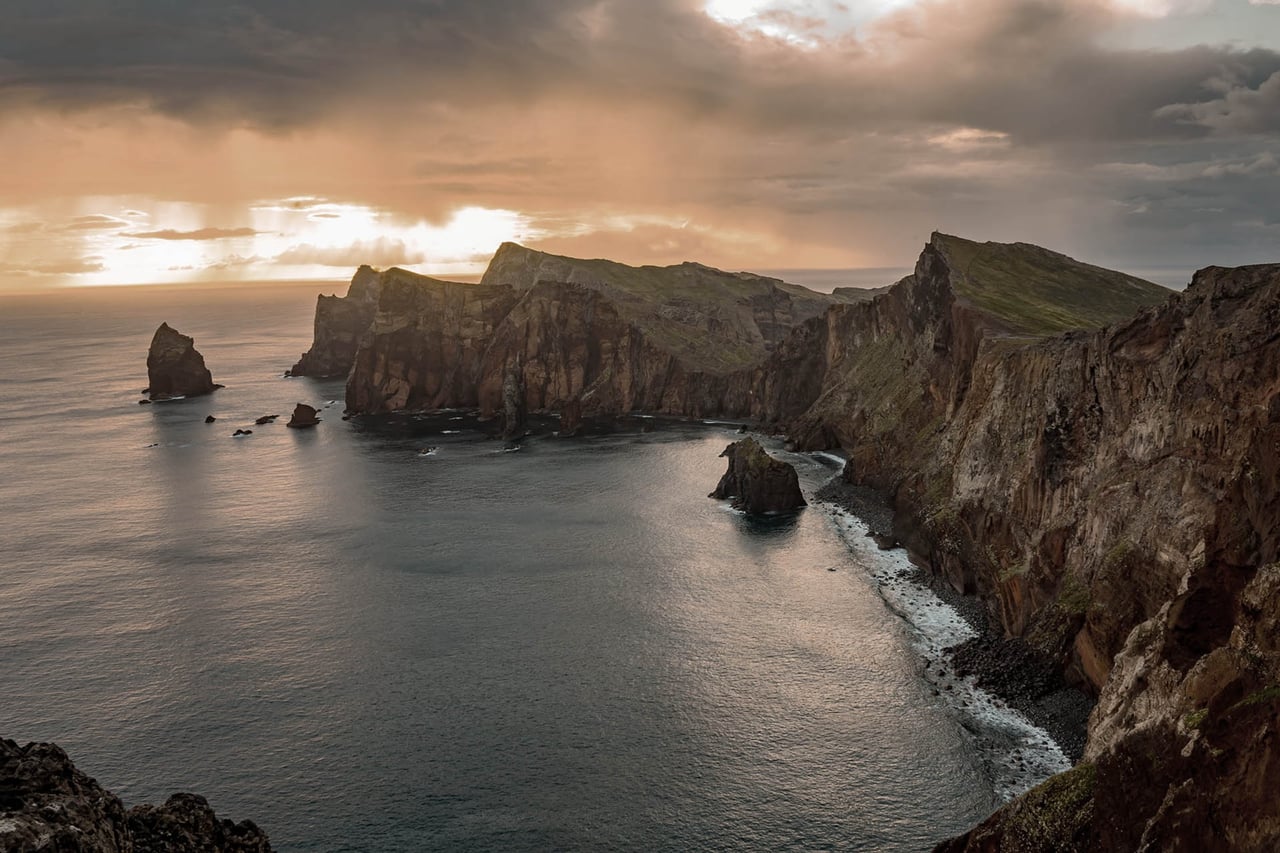
Madeira and the Azores are the country's most under-discussed assets and deserve their own trip. Madeira is the year-round subtropical case — laurissilva forest at altitude, levada walks along centuries-old aqueducts, a wine industry separate from the mainland's. The Azores, nine volcanic islands mid-Atlantic, are Europe's most concentrated whale-and-dolphin coast and the country's quietest geography — São Miguel for the calderas, Pico for the UNESCO-listed lava-walled vineyards, Faial and Flores for the geography travellers come back for.
April through June and September through October are the country at its operational best: 22°C, swimmable Atlantic on the south coast, the cellar doors and tasting menus still working without the high-summer queues. July and August are unambiguously the months to plan around, not in.
A slower read on Portugal.
Worthwhile places in Portugal.
Filter by destination, theme, & price.