
Brazil
Brazil is the country travellers most often plan badly. It is bigger than the contiguous United States, contains six broadly distinct ecosystems, and has a relationship with the calendar that defies the usual dry-season heuristics: the Pantanal floods on Amazonian rain that fell two months ago and a thousand kilometres away. The first useful planning question is not when, but where.
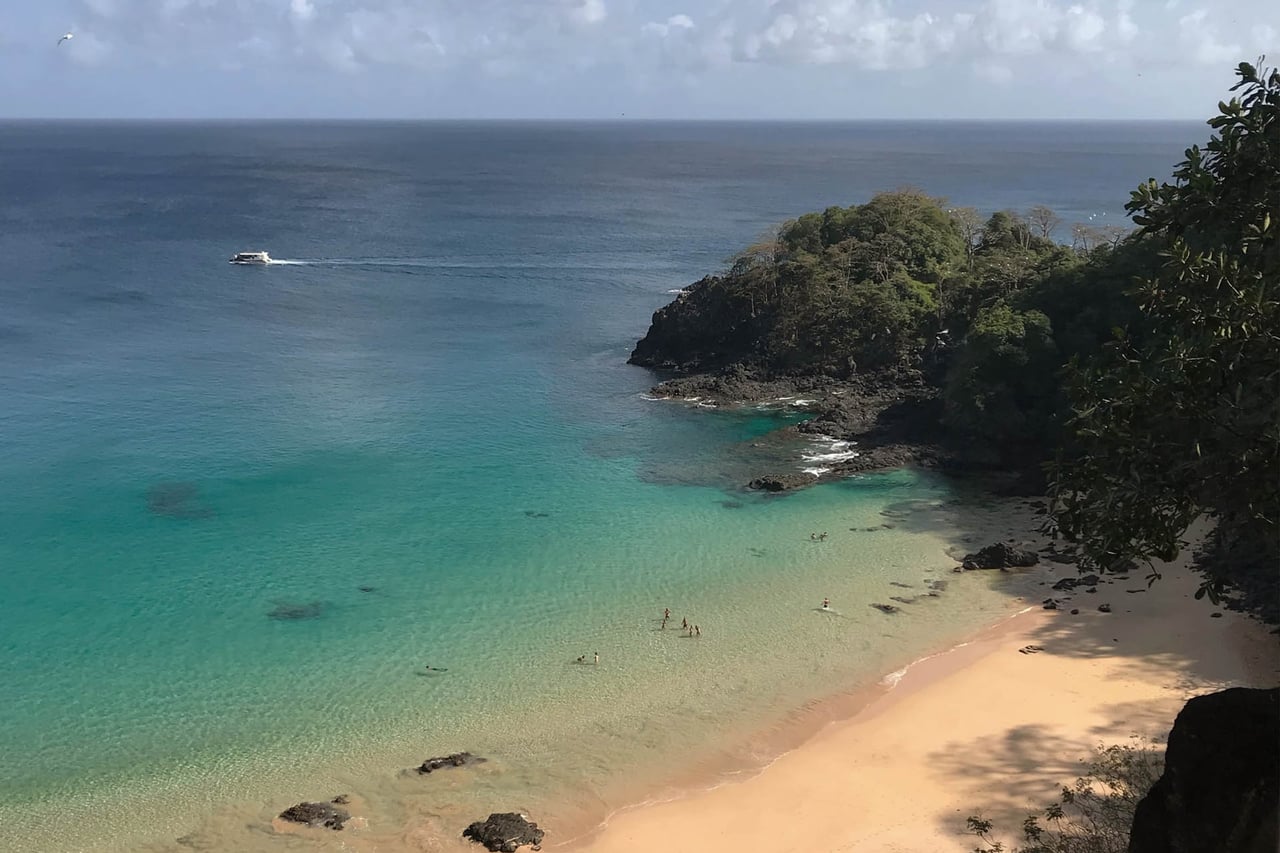
The Atlantic coast does the heavy postcard work — Fernando de Noronha's Sancho Bay and the dunes of Lençóis Maranhenses are the rare cases where the photographs are restrained — but the more interesting Brazil for a returning traveller is inland. The Pantanal in dry season is the best wildlife concentration in the southern hemisphere, jaguars genuinely common around Porto Jofre. Chapada Diamantina's quartzite plateaus have the otherworldly quality the marketing claims for Iguazú. And the southern Amazon, reached via Cuiabá or Manaus, contains the country's most rigorous conservation lodges — Cristalino above all, where canopy towers and a third-generation owner family have made tourism revenue an active argument against deforestation.
The luxury market is younger and more idiosyncratic than the equivalent in Mexico or Argentina. UXUA in Trancoso (Wilbert Das, of Diesel, made it his life's work) and Pousada Maravilha on Noronha are the references for the coast; Fasano in Belo Horizonte and Rio sit at the urban end. The pattern that recurs: small properties run by people who chose to live there.
Carnival is the obvious cultural set piece, but the more rewarding window is the dry season — May through October — when the southern beach towns are quiet, the Pantanal is at its most legible, and Salvador's daily life reasserts itself over the spectacle. Avoid New Year on Copacabana unless crowds are the point.
We haven't covered Brazil in depth yet.
Our Brazil edit is still light, so we are keeping this page simple until place profiles land.
A slower read on Brazil.
Worthwhile places in Brazil.
Filter by destination, theme, & price.