
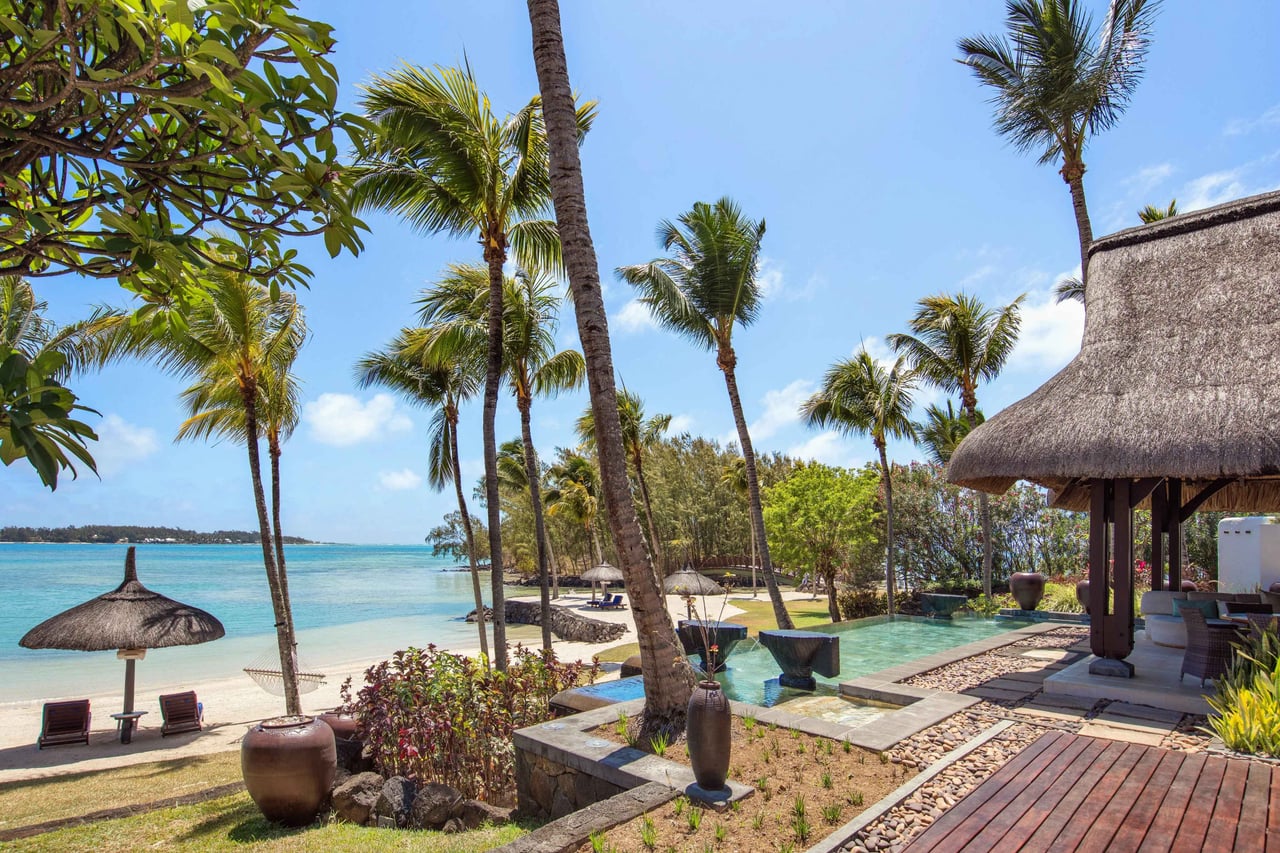
Mauritius
“Mauritius was made first, and then heaven; and heaven was copied after Mauritius.” Mark Twain wrote in 1896 — and the island has been proving him right ever since.
Sitting solo in the south-west Indian Ocean, east of Madagascar, the island is ringed by one of the longest continuous coral reefs on Earth.
For an island of its size, it keeps entirely different company at each coast — a new shade of island life at every turn.
The north, around Grand Baie and Trou aux Biches, is sociable and sun-warmed. The east coast, along Belle Mare and Quatre Cocos, exhales — all powder-soft sand and quiet. West and south the landscape grows wilder, where pods of dolphins gather beneath Le Morne Brabant, the basalt monolith where escaped slaves once took refuge. Further north, the red-roofed church of Cap Malheureux frames a stretch of sea lovely enough to defy its melancholy name, looking out to the islets of Île Plate and Îlot Gabriel and the cliffs of Coin de Mire, where travellers pair snorkelling with a beachside barbecue.
Inland is the part the brochures skip: a misty world of mountains, old colonial estates, and hidden cascading waterfalls. In the deep canopy of Black River Gorges National Park, the island’s last native rainforest holds a quiet conservation success — the Mauritius kestrel and the pink pigeon, both within a few birds of extinction a generation ago, are flying free once more. Its most famous native, the dodo, remains the island’s tragic claim to fame — but the living island still startles, from the swirling purple and red sands of the Seven Coloured Earths at Chamarel to the platter-sized water lilies of the Pamplemousses Botanical Garden, the oldest in the Southern Hemisphere.
Mauritius looks small on a map and turns out outsized on the senses. Home over the centuries to Dutch seafarers and French colonists, Arab traders, British administrators and Chinese merchants, it has settled into a genuine cultural catch-all — woven through the Creole language, the daily markets, and a table where French haute cuisine sits alongside rich Indian curries and roadside street food.
Catch it at its best in the cooler, drier stretch from May to December, when the trade winds blow, the lagoon runs at its clearest, and cyclone season stays a distant rumour.
A slower read on Mauritius.
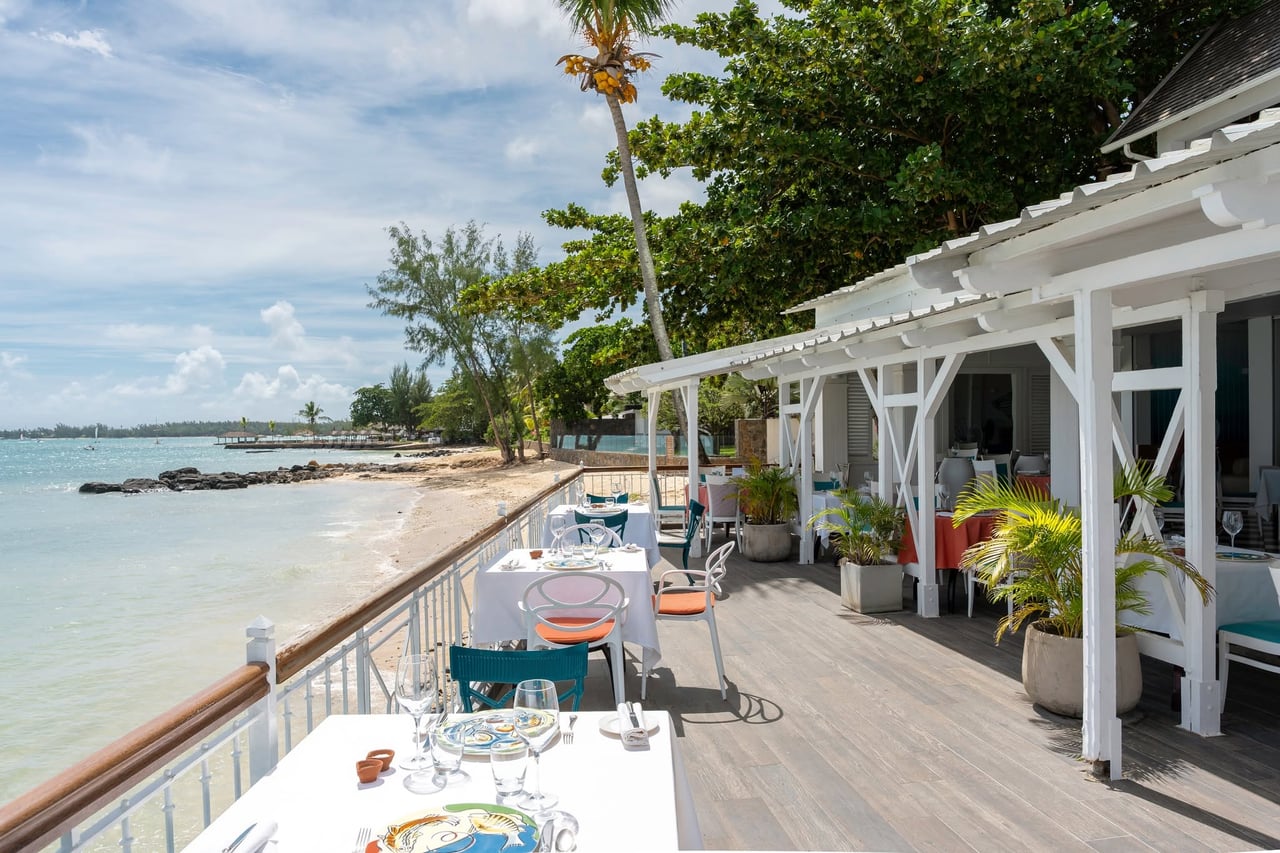
A taste of the destination. An appetite for better travel.
Mauritius, thoughtfully organized.
Worthwhile places in Mauritius.
Filter by destination, theme, & price.