Etosha, Namibia
Namibia salt-pan wilderness where watering holes concentrate elephant, lion, and black rhino into one of Africa's most rewarding game-viewing landscapes.
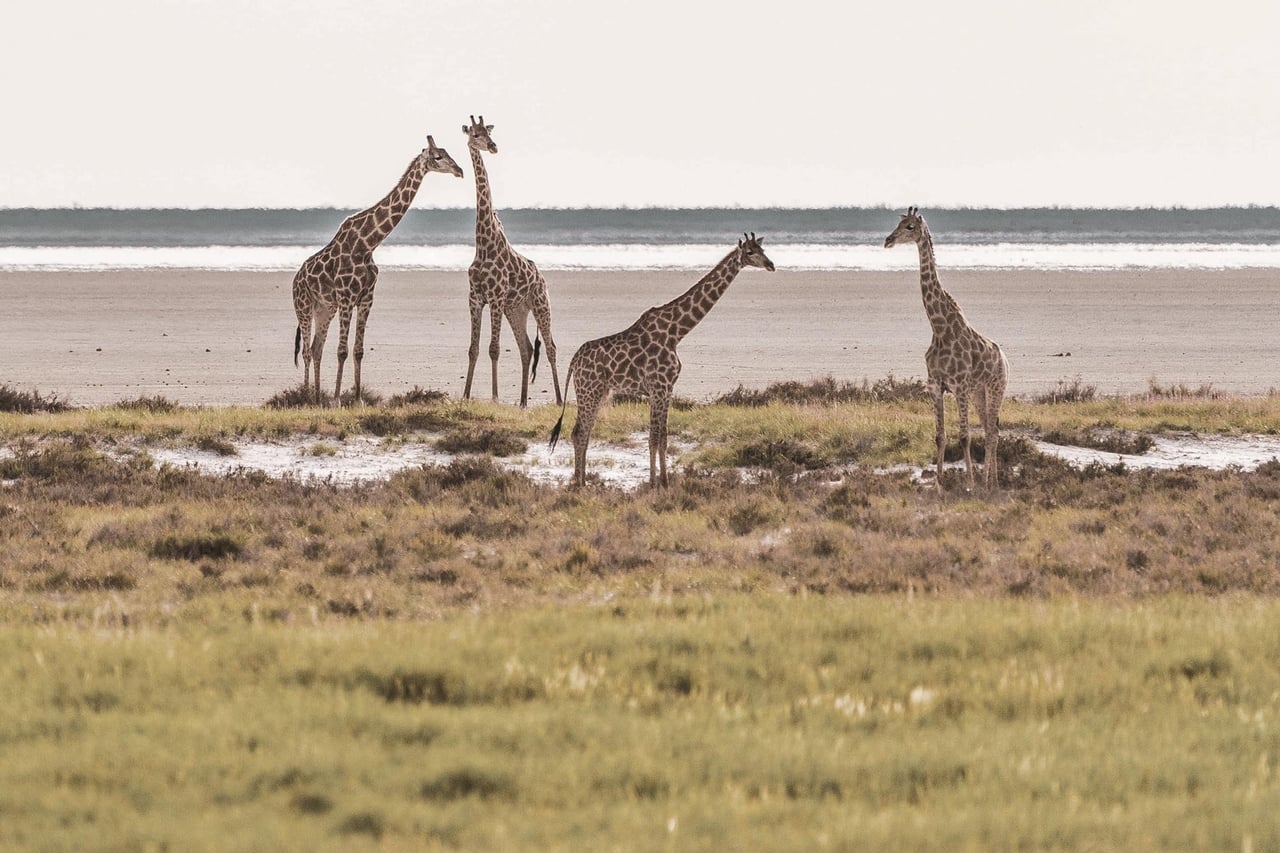
In most landscapes, the absence of water is the problem. In Etosha, it is the mechanism. The great white salt pan, nearly 5,000 square kilometres of blinding flatness, forces wildlife toward a finite number of watering holes, and those watering holes turn game viewing into something closer to theatre: animals arriving on schedule, the crowd assembling at the edge, the light doing something extraordinary in the hour before dusk.
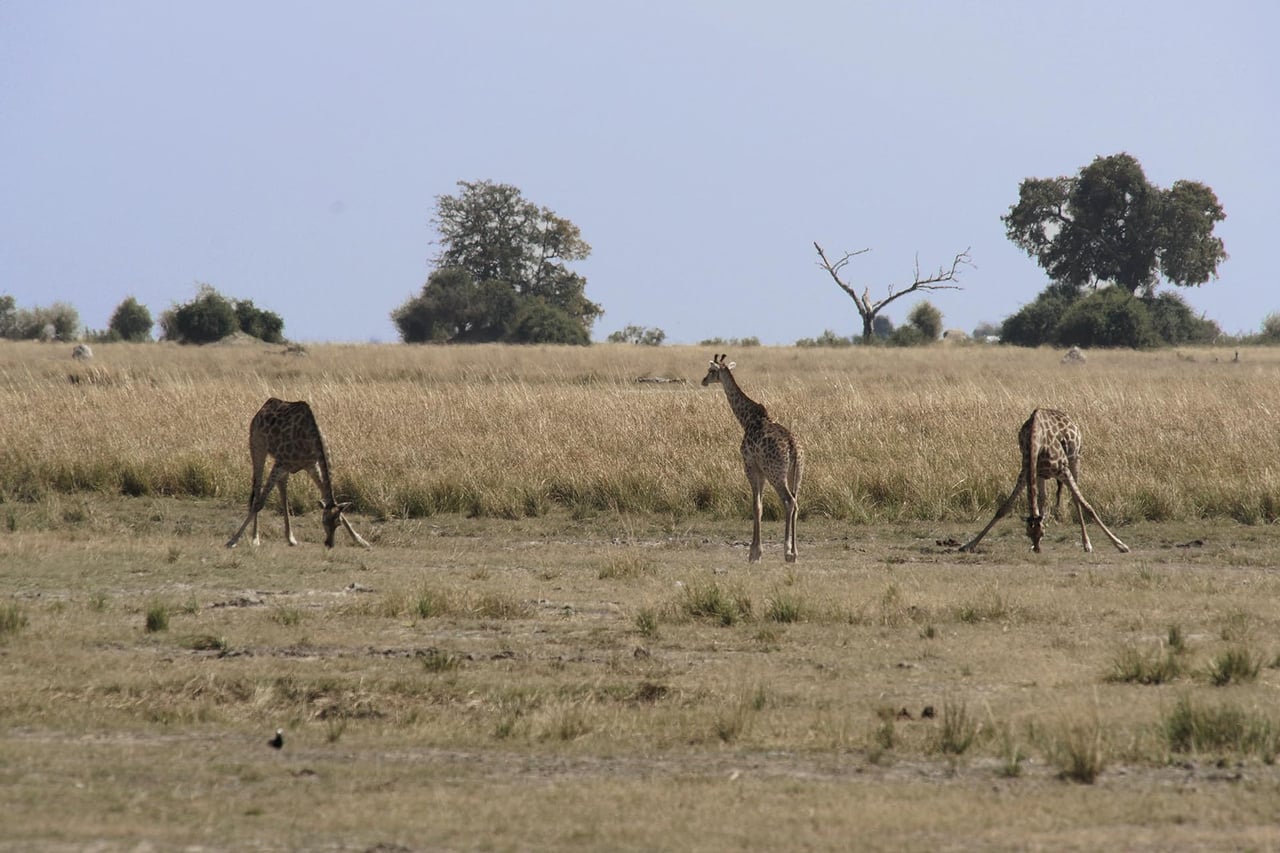
The park’s mineral-rich springs attract an extraordinary cast. Elephant herds arrive in loose procession; black rhino, rarely visible in most of Africa, drink at Okaukuejo’s floodlit waterhole well after midnight, untroubled by the spectators watching from the low wall above. Lion, cheetah, gemsbok, springbok, and giraffe rotate through the park’s constellation of watering points in patterns that local guides read with the ease of a commuter timetable.
There is no jungle here to screen the view. Etosha’s flat, open terrain means sightings arrive at distance and grow closer: a different kind of drama from the denser bush of East Africa, but no less rewarding. The light, bouncing off the pan, has a bleached quality that photographers arrive specifically to find.
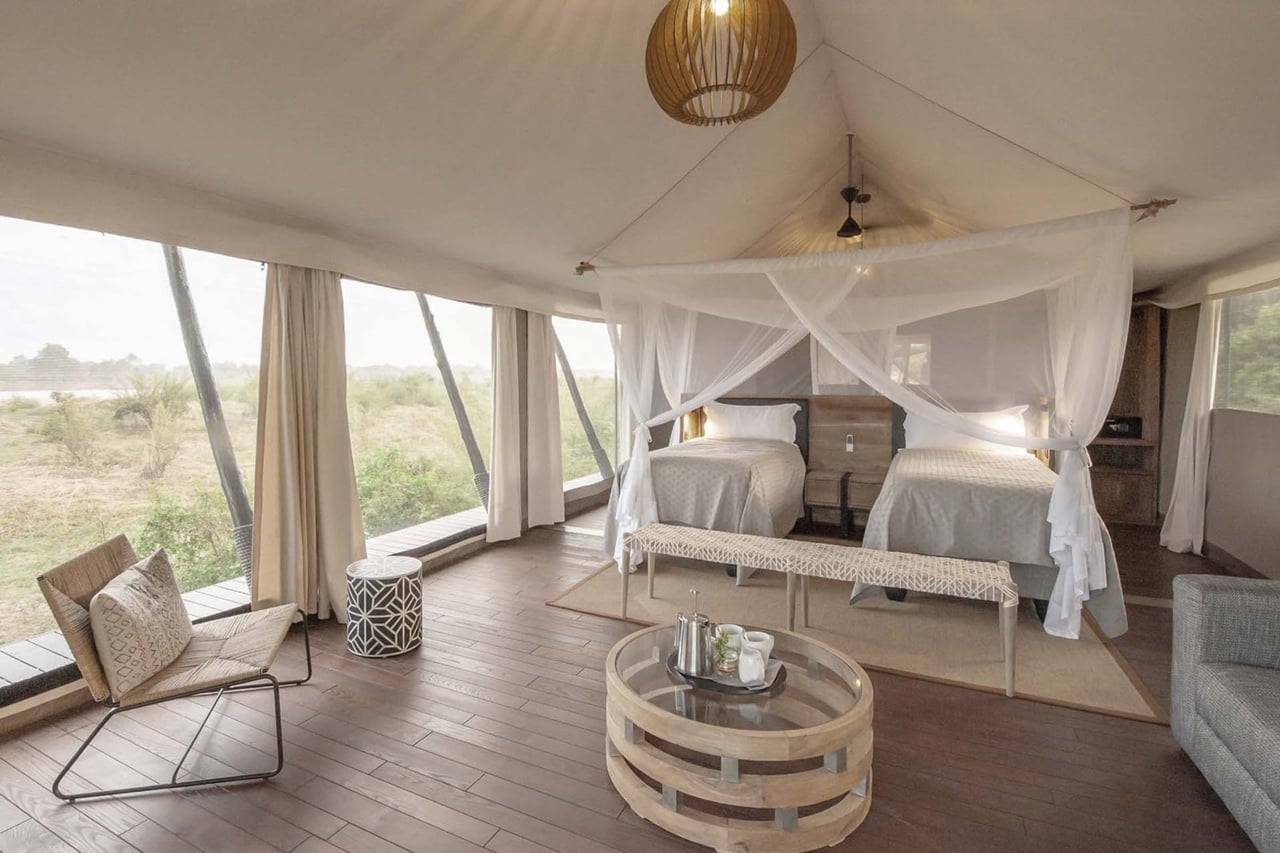
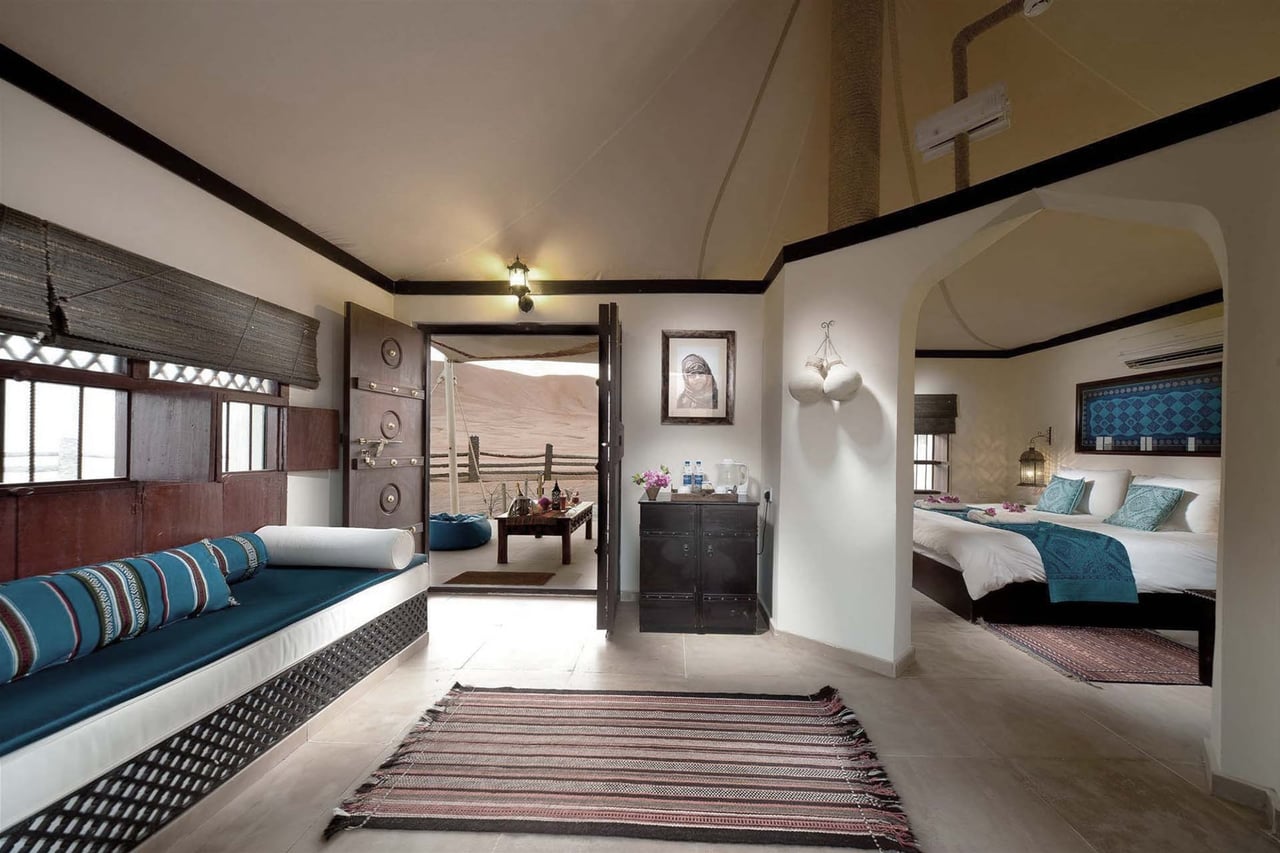
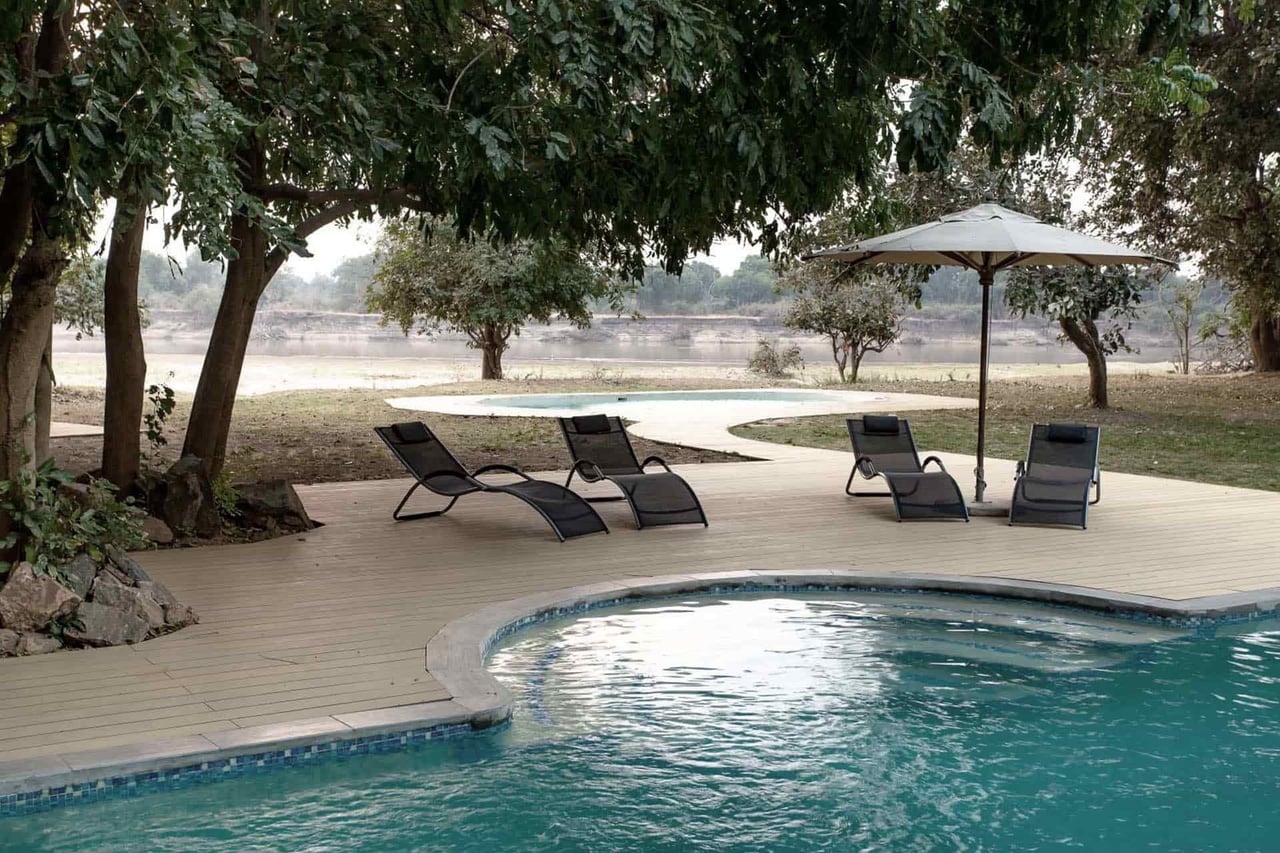
The lodges positioned along the park’s perimeter range from functional camps to well-appointed bush retreats, and the park’s self-drive accessibility makes Etosha one of the few major African wildlife destinations that rewards the independent traveller as much as the guided safari guest.
Scarcity, it turns out, concentrates things wonderfully.