
Radisson opens its first net zero hotel in Africa near Kruger
The owner, not the brand, is paying for it, and a solar wheeling deal with SolarAfrica does not start until April 2027.
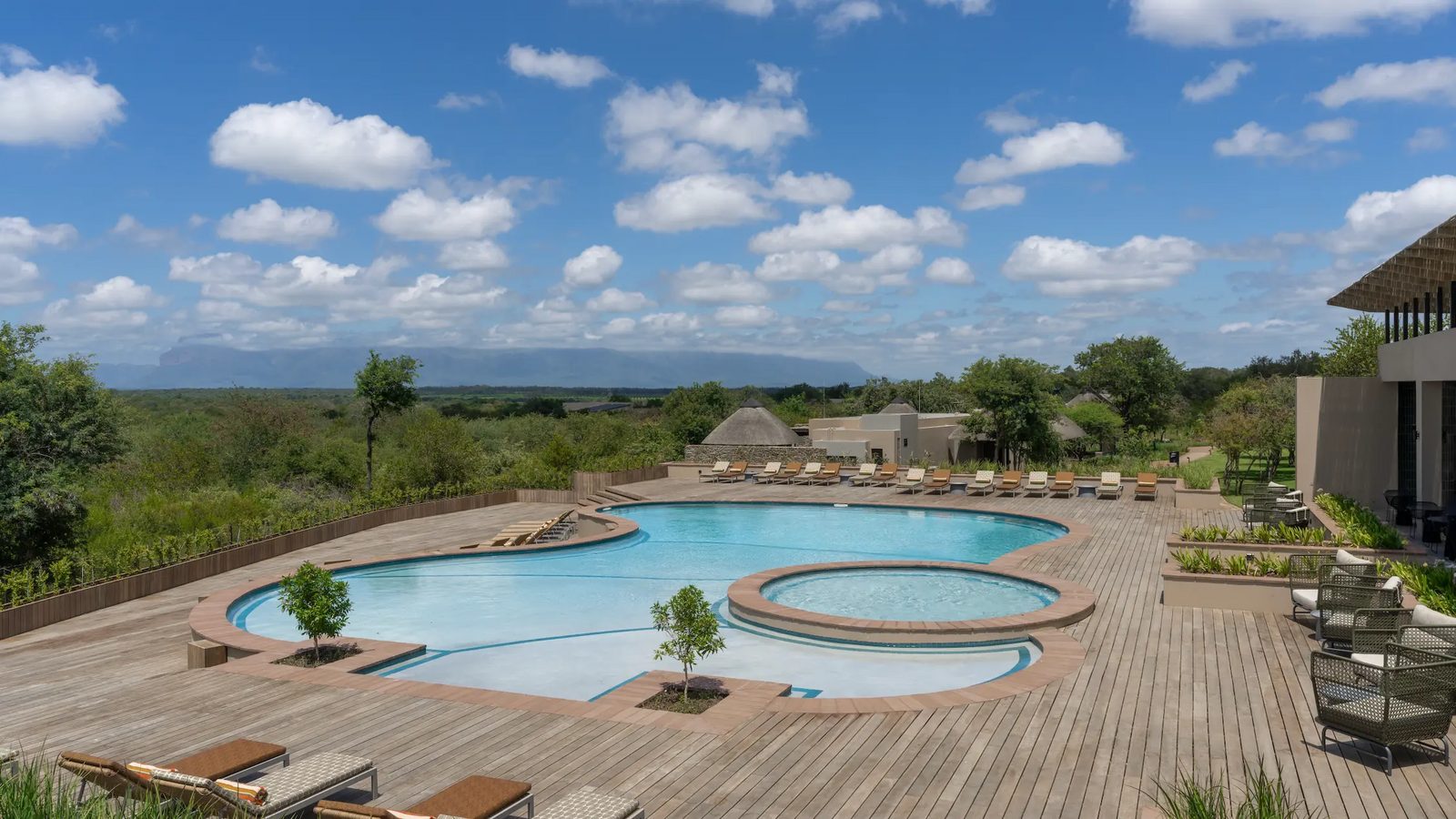

Radisson has opened its first net zero hotel in Africa, the 138-room Radisson Safari Hoedspruit near Kruger National Park in South Africa. It is the group's tenth Verified Net Zero hotel, and one of the first managed properties in a scheme that until now leaned heavily on hotels Radisson leases itself.
The decisive shift is who pays. Radisson's net zero hotels have mostly been leased properties, with the costs on the group's own books. Here the owner carries the investment, in expectation of recouping it quickly through higher room rates.
Verified Net Zero is Radisson's own standard, independently checked by certification body TÜV Rheinland. A hotel earns it by running on renewable energy through electrification and power purchases, by cutting Scope 3 emissions in food, waste, laundry and amenities, and by buying carbon removal credits for whatever remains.
The South African site was harder than Radisson's Nordic net zero hotels, because the country's grid was only 8.6% renewable in 2024, according to the International Energy Agency. Buying clean power off the grid was not an option in the way it is across Scandinavia.
So the owner worked around the grid. Kitchen gas was removed entirely, on-site solar now covers 20% of the electricity, and renewable electricity certificates were bought for the rest. A wheeling agreement with SolarAfrica has also been signed, but it does not come online until 1 April 2027.
Why the owner is paying
Inge Huijbrechts, Radisson's chief sustainability and security officer, said a property typically needs an average daily rate uplift of about 0.3% to 0.4% to reach the standard. The business case rests on recouping operating expenses within a year.
That calculation leaves out major capital spending such as full electrification. The one-year payback therefore covers running costs only, and the largest single outlay a property faces is outside the figure Radisson quotes.
That is the commercial logic behind the move to managed and franchised hotels. If an owner can pay back operating costs inside twelve months through a small rate rise, the label becomes something an investor will fund without Radisson putting its own money down.
Radisson's own earlier net zero hotels were the ones it leased, so the group absorbed the expense. The Hoedspruit project is among the first to test whether the same standard works when an outside owner is the one signing the cheques.
The company's target is 100 Verified Net Zero hotels by 2030. From next year the scheme extends to more managed and franchised hotels, at an expected split of 60% leased and 40% managed and franchised.
The Kruger context
Hoedspruit is on the edge of one of Africa's best-known safari regions. The hotel's position near Kruger National Park means the net zero standard is applied to a safari destination, in a country whose grid leans far less on renewables than Radisson's Nordic sites.
Because the wheeling agreement is still months from starting, the hotel leans on certificates and on-site solar in the meantime. Solar supplies 20% of electricity, and the rest depends on purchased certificates until the SolarAfrica arrangement begins in April 2027.
Radisson also runs a spa in Zambia, the Uzuri Spa at Radisson Blu Lusaka, which we have written about for its Ukunchina signature massage drawn from Zambian technique. The group's African footprint therefore extends well beyond the safari belt.
This is not the only net zero pathway we have tracked in luxury travel. When we covered Mandarin Oriental's MO.RE platform, the group set a 2050 net-zero pathway across its estate rather than certifying individual hotels against an outside standard.
Radisson is taking the opposite route, certifying property by property with an external verifier and a defined list of requirements. For South Africa, where we have followed the destination closely, Hoedspruit is a test of whether that model works on a carbon-heavy grid.
What the guest sees at Radisson Safari Hoedspruit is unchanged in the headline numbers: 138 rooms and a gateway to Kruger. What has moved underneath is the ownership model, and with it the question of who funds the transition the label demands.
Support the content you love — it’s free 🎉
Add Luxa Terra as a preferred source on Google. Our stories will be more likely to appear in Google’s Top Stories. It’s free and supports our team. Thank you!
Add as preferred sourceYou can remove us any time in Google’s source preferences.
Thank you — see you in Top Stories 🎉
Luxa Terra is now one of your preferred sources on Google, so our stories are more likely to appear when you search.
Sources
This briefing is published daily using an AI-powered system crafted by Luxa Terra’s team and finely tuned to meet our editorial standards. While we continuously test and review the output, mistakes can sometimes happen. Tell us if you spot one.
Image: Photo Credit: Radisson Hotel Group


