Serengeti National Park, Tanzania
Tanzania's vast UNESCO-listed savannah, famed for the Great Migration, predator-rich plains and one of safari's most elemental landscapes.
Serengeti National Park is one of those names travel writing can almost ruin by overusing. Then the plains open, the horizon keeps going, and the cliche quietly wins.
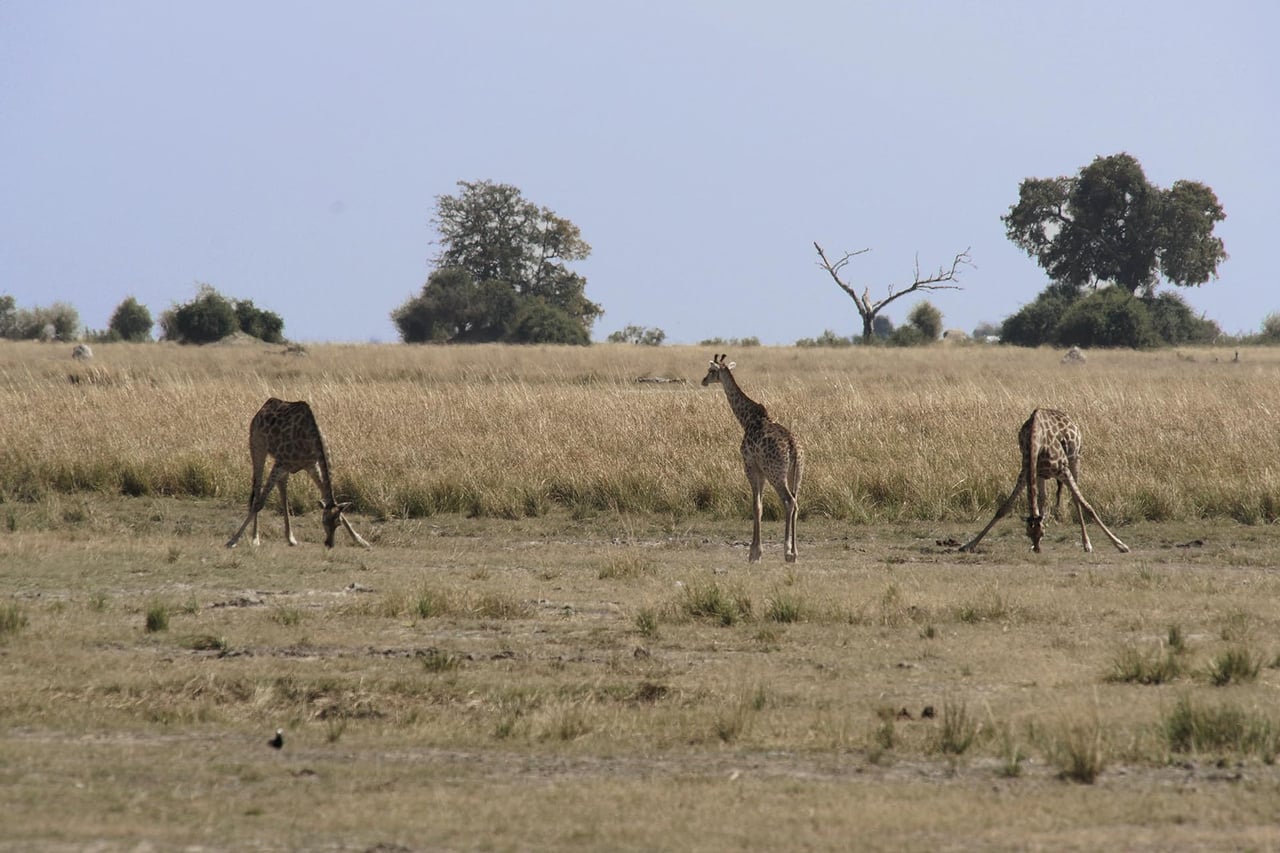
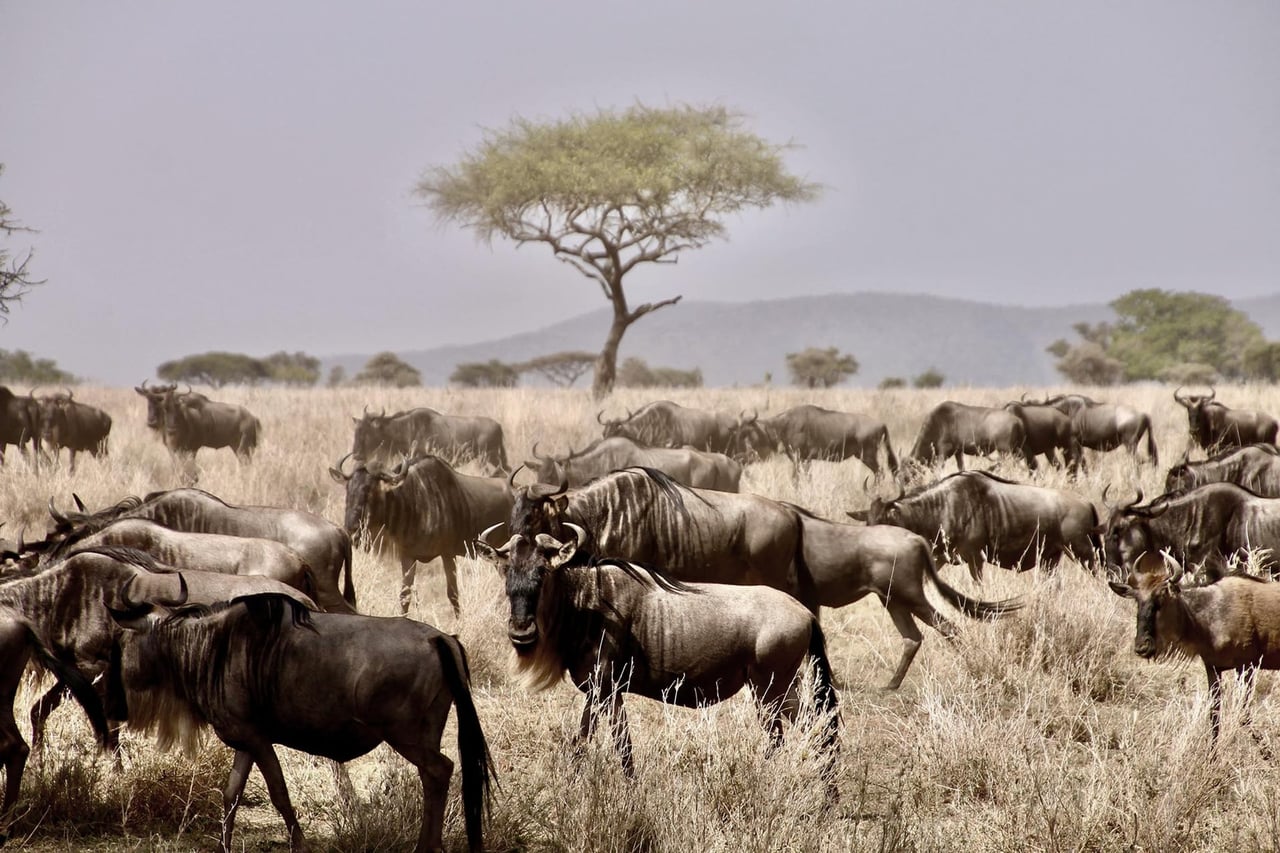
The UNESCO World Heritage property comprises 1.5 million hectares of savannah and supports an annual migration of around two million wildebeest plus hundreds of thousands of gazelles and zebras, followed by predators in search of pasture and water. The crocodile-haunted Grumeti River crossings in the western corridor are part of the same theatre.
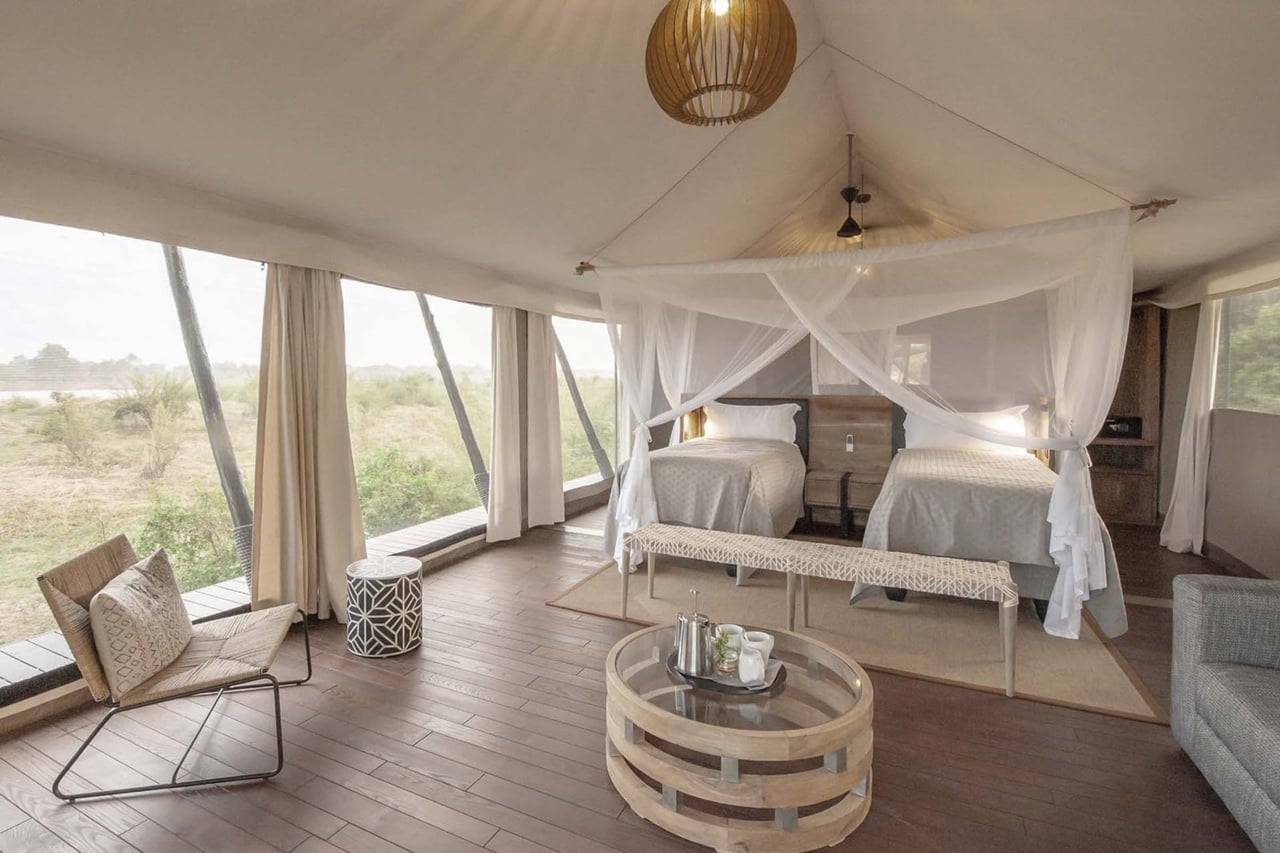
For Luxa Terra, the Serengeti is not a “stay” in the usual hotel sense, despite the content model. It is a destination that holds many lodges, camps and guiding philosophies within a single ecological theatre. The better question is not whether to go, but how: with responsible operators, respectful distances, and a realistic understanding that migration timing follows rain rather than calendars.
Go for scale, patience and the strange humility of watching a landscape do something ancient without asking for your opinion. Binoculars, yes. Main-character energy, no.