
Mandarin Oriental launches MO.RE with a 2050 net-zero pathway
The group reports a 33% cut in Scope 1 and 2 emissions so far, and promises greater visibility of Scope 3 across its value chain.
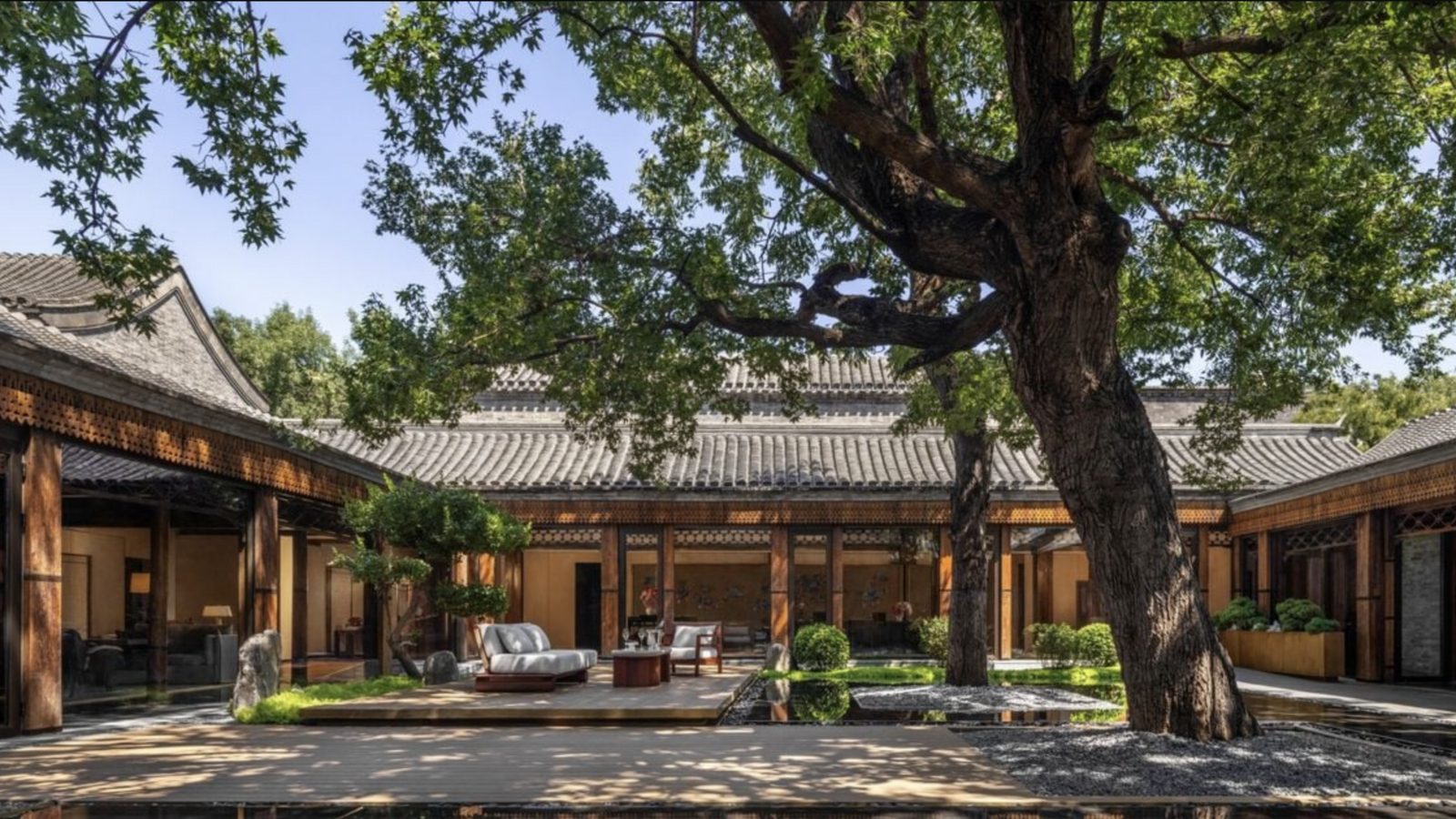

Mandarin Oriental has launched MO.RE, a sustainability platform and manifesto that the group says is designed to challenge the conventions of luxury hospitality. It places resilience, connection and regeneration at the centre of how the group grows, operates and creates its guest experiences.
The platform includes a new decarbonisation pathway to net zero by 2050, which the group says sets a clear route to reduce emissions. Every hotel will also receive a climate-risk profile identifying local climate risks and adaptation priorities.
MO.RE is framed as a step change: a move beyond incremental, compliance-led action towards strengthening the resilience of the business and its destinations, reconnecting people with nature and culture, and generating lasting positive impact for communities and ecosystems.
The group points to fifteen years of progress towards its 2030 targets, including a 33% reduction in Scope 1 and 2 carbon emissions. Colleagues have also contributed more than 80,000 hours through volunteering. Mandarin Oriental has not said what share of the 2030 targets those figures represent.
What the three pillars cover
MO.RE has three interconnected pillars: Resilience, Reconnection and Regeneration. They will guide decisions from investment, development and design through to operations and the guest experience, rather than being confined to a separate sustainability department.
Resilience is about future-proofing hotels and destinations for a changing climate. Beyond the climate-risk profiles and the 2050 pathway, it promises Scope 3 emissions visibility, meaning clarity on impacts across the value chain rather than only the hotels' own operations.
Reconnection redefines sustainable luxury as something guests and colleagues can experience, enjoy and remember. It runs through family, culinary and wellness programmes rooted in nature, culture and destination, including immersive experiences meant to connect guests more deeply with the place they are staying.
Two named Reconnection initiatives are a Biodiversity Kids Club concept, which aims to inspire young guests to discover and protect nature, and annual MO Family Days, which create shared experiences for colleagues and their families.
Regeneration moves beyond doing less harm to helping destinations thrive. It invests in the ecosystems, communities, skills and living cultural heritage that make exceptional hospitality possible, and it carries four named programmes, each with its own focus.
Those four are biodiversity preservation, which protects and restores priority habitats; vocational education, which expands access to hospitality skills and careers; Arts & Crafts, which supports artists, artisans and living cultural heritage; and a Celebrity Fans charity programme, which mobilises the group's ambassadors to support community causes.
What the executives said
"MO.RE is a decisive step forward. It moves sustainability from the margins to the core of our business," said Laurent Kleitman, Group Chief Executive of Mandarin Oriental. He added that it will strengthen resilience, improve operational performance and safeguard the destinations that define the hotels.
Kandé Camara, Chief of Staff and Group Director of Sustainability, said luxury hospitality's next frontier is using its influence with greater purpose. MO.RE, she said, aligns business decisions with what guests increasingly value: distinctive places and deeper connections to destinations.
"Our ambition is to make sustainability a business priority, a shared commitment with our partners and a joyful experience for our guests," Camara said. The group will deliver MO.RE through Group-wide initiatives and locally relevant programmes.
The MO.RE logo draws on the group's Asian heritage. It is inspired by Wuxing, the ancient Chinese philosophy of five dynamic and interdependent elements, and its continuous form reflects the relationship between the three pillars. Its central point signals a shift from incremental progress to transformative change.
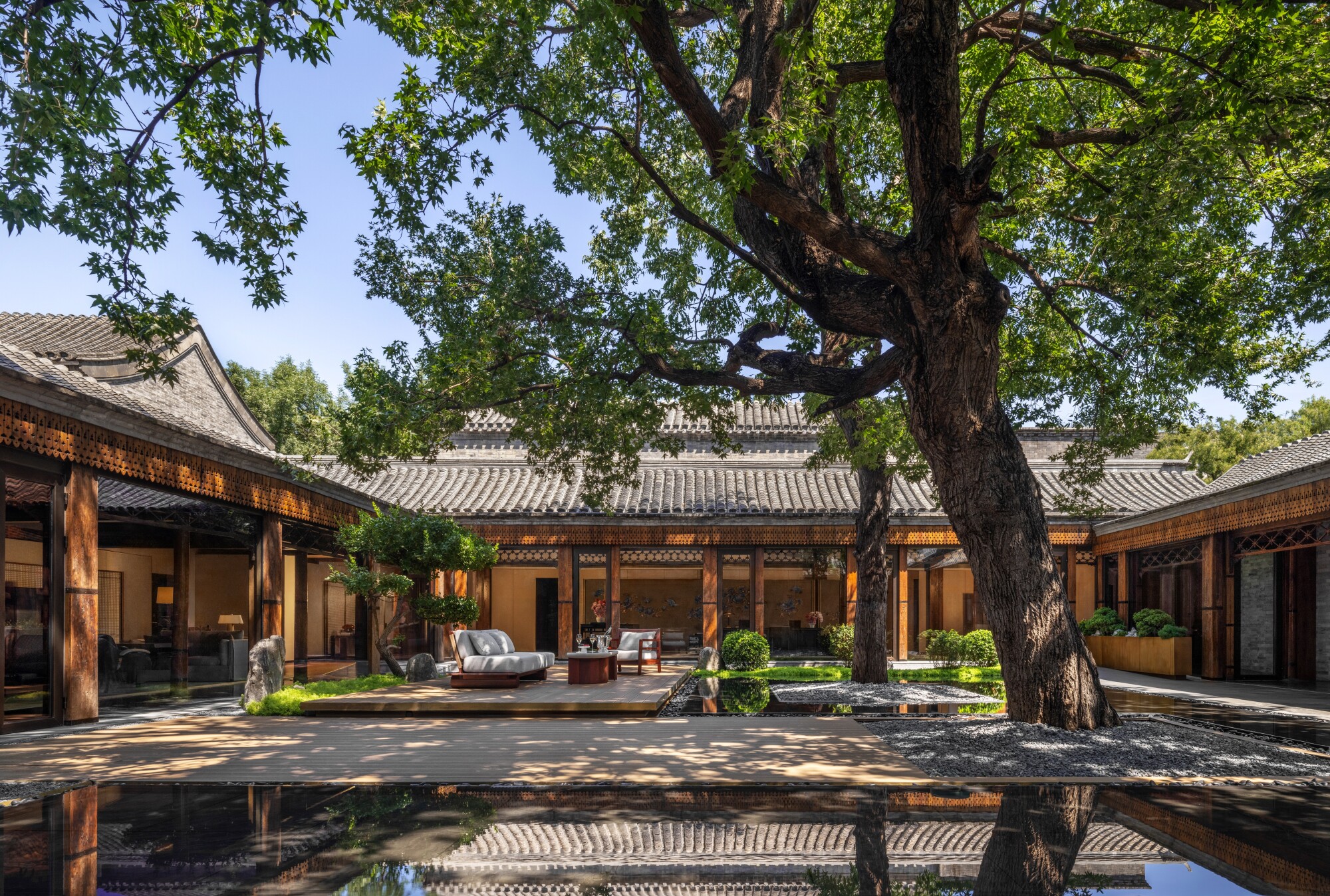
Mandarin Oriental now operates 47 hotels, 16 residences and 43 exceptional homes in 30 countries and territories, with more projects under development. Each hotel has its own fan, crafted by local artisans, which is the group's emblem of the essence of the destination.
Our own coverage shows how far that portfolio reaches. We reported on Mandarin Oriental Exceptional Homes adding 12 homes to reach 43 in total, and the same group manages Emirates Palace in Abu Dhabi, a palace hotel with eight restaurants and two temperature-controlled pools.
In our guides to the best spas in London and in Paris, Mandarin Oriental features among the grand hotels setting the standard, including private suites in the French capital. Wellness is one of the areas where Reconnection promises experiences rooted in the destination.
Support the content you love — it’s free 🎉
Add Luxa Terra as a preferred source on Google. Our stories will be more likely to appear in Google’s Top Stories. It’s free and supports our team. Thank you!
Add as preferred sourceYou can remove us any time in Google’s source preferences.
Thank you — see you in Top Stories 🎉
Luxa Terra is now one of your preferred sources on Google, so our stories are more likely to appear when you search.
Sources
This briefing is published daily using an AI-powered system crafted by Luxa Terra’s team and finely tuned to meet our editorial standards. While we continuously test and review the output, mistakes can sometimes happen. Tell us if you spot one.
Images: Mandarin Oriental


