
Zaha Hadid Foundation reopens the architect's London HQ to the public
The first exhibition draws on the stage designs she imagined for opera, dance and pop.
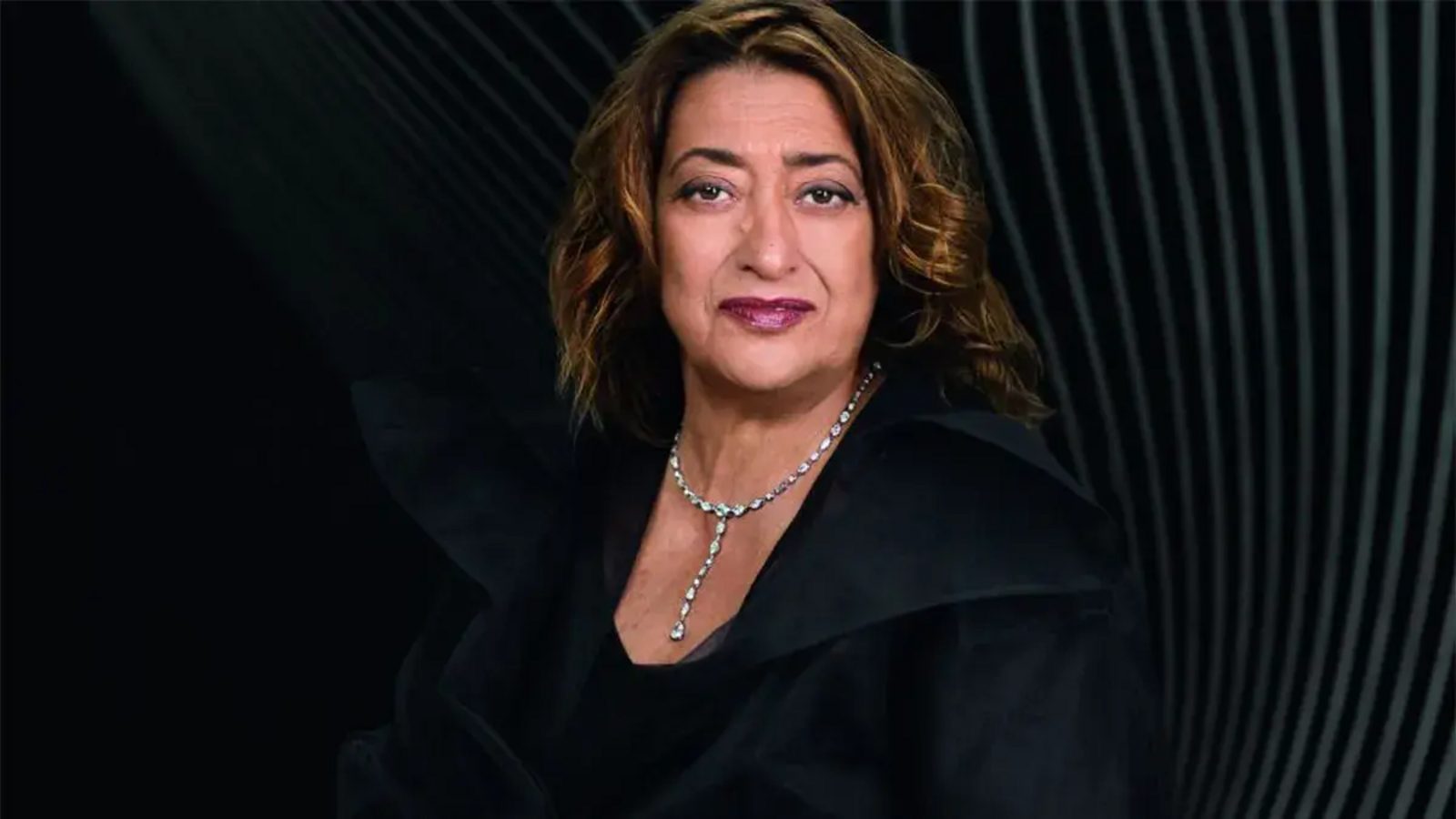

The Zaha Hadid Foundation is reopening the architect's former London headquarters as a public cultural space, ten years after her death. The Grade II-listed Victorian schoolhouse at 10 Bowling Green Lane in Clerkenwell opens to the press and private viewings on October 29, with the public following on November 3.
The building, constructed in the early 1870s, has been refurbished as a space for architecture, design and the related arts. It now holds galleries, a learning space, a lecture hall and collection displays, and it will host exhibitions, talks, workshops and creative residencies on an ongoing basis.
Rana Hadid, chair of the trustees, framed the project as the realisation of the architect's own intentions. "It was Zaha's wish for the foundation to preserve her legacy while carrying her ideas forward: advancing education, supporting future generations and contributing to the wider field of architecture," she said in a statement.
Hadid placed the archive at the centre of that mission, calling it "a profound record of her work, imagination and intellectual life." The site, she said, will let the foundation safeguard those materials while opening them to wider audiences and creating new opportunities for learning, scholarship and creative discovery.
The renovation was led by Katherine Nolan and Alex Butterworth of London-based Studio KA. They restored original features of the schoolhouse while adding new flooring and drew on Hadid's own paintings for the finishing details, which shows in a palette of finishes tied to her work rather than the building's age.
Hadid's memory is carried through in the small particulars as well. The pair kept the Iraqi-British architect's own interventions in the detail, including Z-shaped door pulls and shard-like flooring insets that she had incorporated in the building herself, so her hand remains visible in the fabric of the place.
Aric Chen, director of the foundation, called the reopening the site's "next evolution" and said the organisation is "thrilled" to reach it. "It will be where Zaha's legacy will live on both through our programs and exhibitions drawn from her archive, and through her forward-looking ethos," he said.
The foundation's first exhibition inaugurating the space is titled "Zaha Hadid: Architecture of Performance." Curated by Catherine Howe and Libby Sellers, the show gathers the stage and set designs Hadid imagined for contemporary dance, classical opera and pop music, placing the performative side of her practice first.
That choice of subject is pointed. Hadid is best known for built works, but her performance designs travelled further than her buildings: sets and stages for opera houses and pop tours took her geometry to audiences who never saw a completed structure, and this show draws those commissions into one room for the first time.
The foundation itself was established to care for Hadid's estate and archive after her death in 2016. The Clerkenwell building served as her practice's headquarters, and the archive it will now hold is the largest surviving record of her working life, spanning built work, competition entries and unbuilt projects.
The opening is London's most significant new architecture destination in some time, and it lands in a district already dense with design culture. Clerkenwell has long drawn architects and furniture makers, and the schoolhouse is among showrooms and studios, though the foundation's project is a public institution rather than a commercial one.
Entry arrangements for the public have not yet been set out beyond the opening dates, and the foundation has not published admission prices.
For travellers to London, the schoolhouse offers a new reason to linger in Clerkenwell rather than pass through it. The neighbourhood sits just north of the City and is eminently walkable, and a visit to the foundation pairs naturally with the design showrooms, cafés and the quieter lanes that define the area.
The reopening also marks a decade since Hadid's death, an anniversary the foundation has leaned into deliberately. By turning the headquarters itself into the institution, the trustees have made the anniversary a beginning rather than a memorial moment, extending a building that had been a workplace into a public one.
The archives are the long-term promise. Hadid's records are extensive, and the capacity to display selections alongside talks and residencies means the collection is an active resource rather than a vault, with scholars and the simply curious able to encounter the work in turns.
What the foundation opens next is partly defined already: residencies and workshops are named in its plans, and the performance exhibition is the first of a programme the trustees say will continue. No further exhibition dates have been announced, but the space is intended for year-round use rather than a seasonal calendar.
The timing gives London visitors a full season of access from early November. The foundation has said nothing yet about hours or capacity, so the practical details remain to come, but the dates are firm, and the building's Grade II listing promises a setting as crafted as the work inside it.
What the first show holds
The inaugural exhibition focuses entirely on Hadid's work for the stage, a corner of her output that is less travelled than her buildings. Dance, opera and pop music all pass through her geometry in the show, and the two curators have assembled designs that make visible how her ideas translated into performance spaces.
Support the content you love — it’s free 🎉
Add Luxa Terra as a preferred source on Google. Our stories will be more likely to appear in Google’s Top Stories. It’s free and supports our team. Thank you!
Add as preferred sourceYou can remove us any time in Google’s source preferences.
Thank you — see you in Top Stories 🎉
Luxa Terra is now one of your preferred sources on Google, so our stories are more likely to appear when you search.
This briefing is published daily using an AI-powered system crafted by Luxa Terra’s team and finely tuned to meet our editorial standards. While we continuously test and review the output, mistakes can sometimes happen. Tell us if you spot one.
Image: Zaha Hadid Foundation


